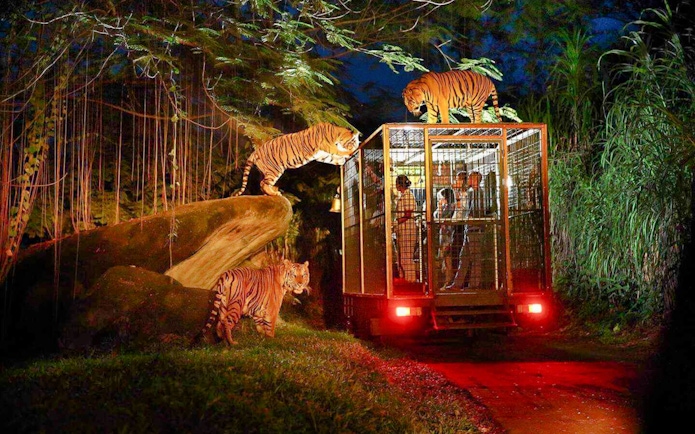
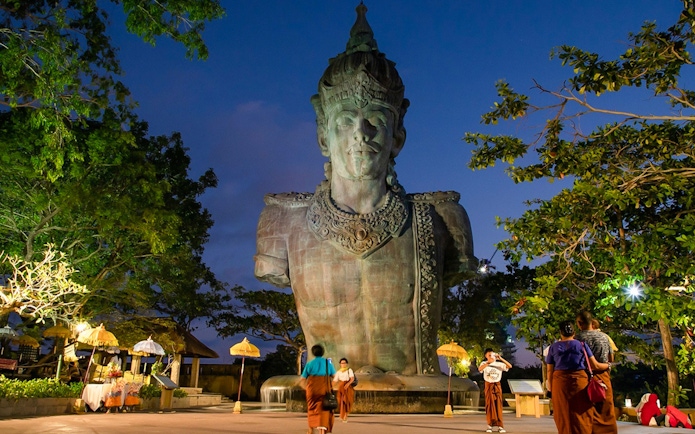
- Location: Bali Zoo, Jl. Raya Singapadu, Singapadu, Sukawati, Gianyar, Bali 80582
- When: Daily; arrive 15 minutes before your scheduled slot
- A January-friendly add-on when you want a smaller wildlife moment instead of a full park marathon.
- Tip: Book the earliest slot you can; animals and people are both calmer before midday.
Bali in January: Weather, crowds and top things to do
Bali in the wet season: How January compares
| Category | December | January | February |
|---|---|---|---|
Weather | 24–31°C (75–88°F); rainy season starts building, but early December often has brighter gaps | 24–31°C (75–88°F); one of the wettest months, with humid afternoons and heavier showers | 24–31°C (75–88°F); still rainy, but some years feel slightly steadier than January |
Crowds | High in the second half, very high around Christmas and New Year | High on Jan 1–5, then moderate to low on weekdays | Moderate, with spikes around Chinese New Year if it falls in February |
Atmosphere | Holiday-heavy, busy beach clubs, packed sunset spots | Greener, slower, more flexible, more afternoons built around rain dodging | Similar wet-season rhythm, but with slightly more settled post-holiday travel flow |
Key events | Christmas, New Year’s Eve parties, year-end dining | New Year’s week spillover, daily cultural shows, wet-season surf days | Chinese New Year some years, plus the same evening show circuit |
Public holidays | Christmas Day, New Year’s Eve lead-in | New Year’s Day only among major visitor-facing holidays | Depends on the calendar; Chinese New Year often lands here |
Budget | Expensive from mid-December onward | Jan 1–5 pricey; Jan 6 onward noticeably softer in many areas | Similar to late January, sometimes slightly firmer around holiday weekends |
Best for | Festive trips, parties, holiday dining, end-of-year beach breaks | Mixed itineraries, value hunters, zoo and safari days, Ubud stays, surfers | Similar travelers as January, especially those avoiding Christmas pricing |
Book early? | Yes, especially for Dec 20–31 | Only for the first week, sunset shows, and premium wildlife experiences | Book holiday weekends and premium slots ahead |
Transport tips | Expect airport, Seminyak, and Uluwatu traffic near year-end | Use a private driver or book return rides in advance during showers | Similar wet-road delays, but slightly lighter post-holiday flow |
Top things to do in Bali in January
Offbeat experiences in January
Planning your January visit
| Lead time | What to book | Why & when | Seasonal price change |
|---|---|---|---|
2–4 months ahead | South Bali hotels for Jan 1–5, private villas, premium beach stays | By early October, holiday inventory starts thinning for the first week of January | Jan 1–5: often +25–40% vs mid-Jan; from Jan 6 onward many properties drop back toward shoulder-season rates |
3–6 weeks ahead | Mount Batur Sunrise Guided Jeep Tour with Black Lava Exploration, Breakfast & Hotel Transfers | Late December to early January departures fill first; sunrise slots matter more than afternoon plans this month | Holiday week departures can run +10–20% vs late-month weekday slots |
2–4 weeks ahead | Uluwatu: Kecak & Fire Dance Show Tickets and Tours | Weekend sunset seats and transfer-inclusive options go first | Weekend sunset slots: +10–15% vs weekday seats; early-month demand strongest |
2–4 weeks ahead | Bali Zoo Combo: Entry Ticket, Breakfast with Orangutans & Elephant Mud Fun | Premium wildlife products have smaller capacity and breakfast timing is fixed | Jan 1–10 and weekends: modest surge; late-month weekdays closer to base |
1–2 weeks ahead | Bali Night Safari Tickets | Good rainy-day backups, but dinner-inclusive and better seating categories go first | Dinner and premium-seat options can sit +5–15% above entry-level options; late booking reduces choice more than price |
1–2 weeks ahead | Tickets to Legong Dance Show at Ubud Palace | Ubud evenings stay popular in wet season because travelers swap out beach plans | Prices stay fairly stable; weekend and same-day demand mainly affects availability |
3–7 days ahead | From Bali: Snorkelling with Manta Rays | Book after checking marine forecasts; January seas can reshape plans quickly | Calm-weather windows can sell faster; prices are often flat, but flexible rebooking matters more than discount size |
2–5 days ahead | 5 Seater Car (upto 4 pax + 1 driver) | January trips run smoother when you can change plans fast and stay connected on the road | Car rates stay close to base outside holiday week; same-day drivers can be harder to find in heavy rain |
January highlights: Must-do experiences for different travellers
Bali in January: Your perfect 3-day itinerary
Best day trips from Bali in January
Go shopping in Bali in January
-
-
-
-