Visiting Alas Harum Bali: your guide
Alas Harum Bali is an upland agro-tourism park best known for its jungle swings, coffee plantation, and rice-terrace views near Ubud. The site feels bigger and hillier than many visitors expect, with photo spots, ride platforms, and dining spread across a sloped layout rather than one compact loop. The biggest difference between a rushed visit and a good one is timing your rides before the late-morning queue build-up. This guide helps you plan arrival, pacing, tickets, and the route that makes the most sense.
Quick overview: Alas Harum Bali at a glance
If you want swings, coffee tasting, and scenic stops in one visit, a little planning goes a long way here.
- When to visit: Daily, 7am–7pm; the first 2 hours after opening are noticeably calmer than 11am–3pm, because drivers and day-trip groups from south Bali usually arrive later and the swing platforms back up fast.
- Getting in: Grounds entry starts from around IDR 50,000, while Headout activity bundles cover entry plus selected rides, coffee tasting, or tea time, and booking ahead matters most in the dry season, on weekends, and around year-end holidays.
- How long to allow: Plan 2–3 hours for most visits, or closer to 4 if you want multiple rides, the coffee tour, long photo stops, and a sit-down meal.
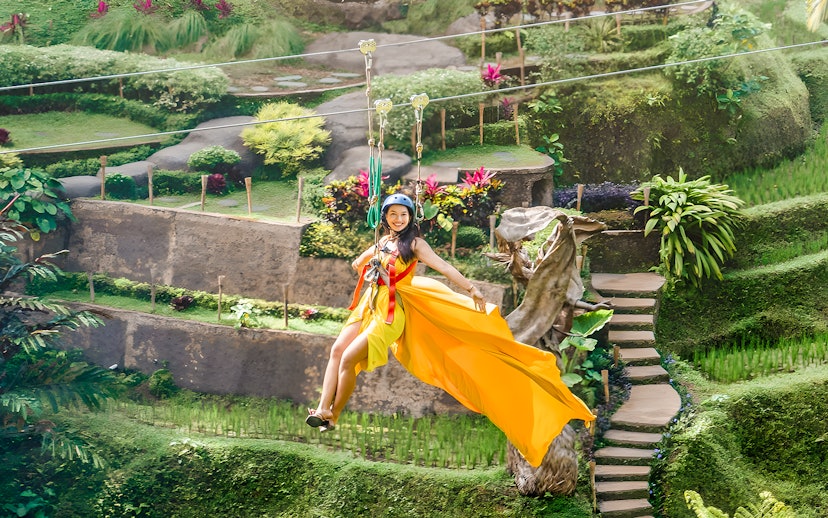
- What most people miss: The plantation walk, giant civet statue, and hillside photo installations are easy to rush past if you head straight to the swings.
- Is a guide worth it? Not for the whole site, but a ticket that includes the guided coffee plantation tour gives the visit more shape than paying only for photo access and figuring it out as you go.
Jump to what you need
🕒 Where and when to go
🗓️ How much time do you need?
🎟️ Which ticket is right for you?
🗺️ Getting around
🌿 What is Alas Harum Bali worth visiting for?
♿ Facilities and accessibility
Where and when to go
How do you get to Alas Harum Bali?
Address: Jl. Raya Tegallalang, Tegallalang, Gianyar, Bali, Indonesia
- Car/scooterTaxi/rideshare: Drive via Jl. Raya Tegallalang → easiest option for flexible timing and nearby stops.
- Taxi/rideshare: Set drop-off for Alas Harum Bali → simplest if you’re staying in Ubud and don’t want to park.
- Private driver: Best from Seminyak, Canggu, or Kuta → lets you pair the visit with Tirta Empul or central Ubud.
- Parking: On-site parking is available, and arriving early makes entry and exit noticeably easier on busy weekends.
Getting here from nearby cities
Alas Harum works best as a half-day stop from Ubud or a longer day trip from Bali’s south.
From Ubud
- Distance: About 10km
- Travel time: 20–30 minutes via car, scooter, or taxi
- Time to budget: Leaves plenty of time to add lunch, Tirta Empul, or another Tegallalang stop
From Canggu
- Distance: About 35km
- Travel time: 75–90 minutes by car
- Time to budget: Best done as part of a full-day Ubud and Tegallalang route, not a quick morning stop
From Seminyak / Kuta
- Distance: About 38–45km
- Travel time: 80–100 minutes by car
- Time to budget: You’ll want at least half a day once traffic is factored in
Which entrance should you use?
There’s one main arrival point, but visitors often confuse Alas Harum access with Cretya Ubud access and lose time at the wrong counter.
- Main entrance: Located off Jl. Raya Tegallalang. Best for all visitors. Expect 5–15 minutes at quieter times and longer waits from late morning into early afternoon.
When is Alas Harum Bali open?
- Monday–Sunday: 7am–7pm
- Last entry: Arrive by 5pm if you want time for rides, photos, and the coffee tour before activity cutoffs start tightening
When is it busiest? Late morning to mid-afternoon, especially on weekends, July–August, and holiday periods, when swing queues and photo platforms slow down the whole hillside route.
When should you actually go? Aim for 7am–9am if you want cooler weather, softer light, and a better shot at doing the swings before the queue pattern takes over.
How much time do you need?
| Visit type | Route | Duration | Walking distance | What you get |
|---|---|---|---|---|
Highlights only | Entrance → main photo spots → 1 swing activity → coffee tasting → exit | 1.5–2 hours | ~1.5km | You’ll cover the signature views and a ride, but you’ll skip the slower plantation walk, extra activity time, and any real meal stop. |
Balanced visit | Entrance → coffee plantation tour → main swing → Sky Bike or photo installations → tea break or short meal → exit | 2.5–3 hours | ~2.5km | This is the sweet spot for most visitors because you get both the adventure side and the coffee-agro side without turning the visit into an all-day commitment. |
Full exploration | Entrance → plantation tour → multiple rides → glass walkway and installations → long photo stops → Cretya meal or pool stop → exit | 3.5+ hours | ~3.5km | This gives you the fullest experience, but the uphill sections, heat, and queue time make it a longer and more tiring visit than many people expect. |
How do you get around Alas Harum Bali?
Alas Harum feels like a compact stop from the road, but it opens out into a hillside park with activity platforms, plantation paths, photo spots, and dining spread across several levels. If you wander without a plan, you’ll end up repeating stairs and steeper paths in the heat.
The site works best as a downhill loop
- Entrance zone: Ticketing, first lookouts, and the easiest orientation point → budget 10–15 minutes.
- Coffee plantation area: Guided coffee walk, tasting stops, and the civet-coffee story → budget 20–30 minutes.
- Main activity platforms: Super Extreme Swing, Extreme Swing, and queue-heavy photo points → budget 45–90 minutes depending on lines.
- Scenic installations: Glass walkway, nests, and the suspension-bridge area → budget 20–30 minutes.
- Dining zone: Cretya venues and longer rest stops with valley views → budget 45–90 minutes if you sit down.
Suggested route: Start with the plantation side, move straight to your highest-priority ride before the late-morning build-up, then finish with photo installations and food so you’re not climbing back uphill just for lunch.
Maps and navigation tools
- Map: This is best handled with a quick entrance overview photo → it helps you remember which paths drop toward rides and which lead to dining.
- Signage: Wayfinding is decent for major attractions, but it’s not strong enough to stop backtracking once the site gets busy.
- Audio guide / app: This is a self-guided visit, so staff directions at the activity counters matter more than any digital guide.
- Large outdoor POIs only: A mobile data connection helps, but you won’t need trail apps — just decide your ride order before walking downhill.
💡 Pro tip: Do your must-do ride first, not last — the biggest time loss here comes from deciding at the bottom of the hill and then climbing back toward the wrong platform.
What is Alas Harum Bali worth visiting for?

Super Extreme Swing
Ride type: High-arc jungle swing
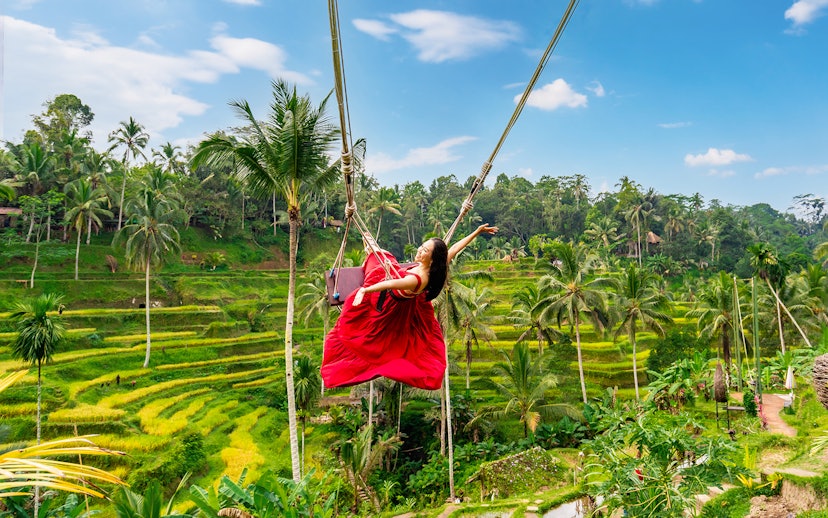
This is the signature activity and the one most visitors picture when they book. It sends you highest over the valley, with the broadest view of rice terraces and layered greenery below. What people often miss is that the best photos come just after the initial launch, not during the setup, so have your camera ready before your turn starts.
Where to find it: At the main activity platform on the lower hillside, past the first major photo-installation zone.
Extreme Swing
Ride type: Lower-height swing
The Extreme Swing is the better pick if you want the same scenery with less intensity. It still gives you the outward glide over the valley, but it feels more manageable if you’re unsure about the higher platform or traveling with someone more cautious. Most people rush past it chasing the tallest swing, even though this one usually delivers a smoother, less stressful ride.
Where to find it: In the same activity zone as the larger swings, clearly signed once you reach the main ride area.
Sky Bike
Ride type: Suspended cycle ride
The Sky Bike is less about speed and more about exposure — you pedal across a raised cable with open views on both sides. It’s a good alternative if you want a thrill without the full launch feeling of a swing. What many visitors underestimate is the height requirement and the slower loading process, which can make this line move differently from the swing lines.
Where to find it: Near the main activity platforms, usually after the swing area on the downhill route.
Coffee plantation tour
Experience type: Guided agro-tour
This is the part of Alas Harum that makes the visit more than a photo stop. You’ll walk through the plantation side, learn how Balinese coffee is processed, and see how the site connects to the Kopi Luwak story that originally put it on the map. Visitors often rush this section to get to the rides, even though it gives the whole place more context and a better pace.
Where to find it: Just beyond the entrance-side walking path before the main ride platforms.
Glass walkway and photo installations
Experience type: Scenic photo zone
These installations are what make Alas Harum feel built for lingering, not just queueing. Between the glass-bottom viewing point, oversized nests, and sculptural backdrops, this section gives you the shareable photos people often expect from the swing itself. The common mistake is saving it for the end when the light is harsher and the platforms are more crowded.
Where to find it: Spread along the hillside path between the plantation side and the lower activity and dining areas.
Facilities and accessibility
- 🎒 Ride prep: Full safety harnesses are provided for the adventure activities, so you don’t need to bring your own gear.
- 🍽️ Dining: Cretya Ubud and its related dining spaces make this one of the few swing parks where a real meal is part of the experience rather than an afterthought.
- 🛍️ Coffee shop / merchandise: The plantation side is the place to buy local coffee and take-home products tied to the site’s agro-tourism focus.
- 🪑 Seating / rest areas: The best rest points are around the dining terraces and view-facing seating near the food venues.
- 🅿️ Parking: On-site parking is available, which matters because most visitors arrive by car, scooter, or private driver.
- 📸 Photo services: Paid photo and drone add-ons are available if you want more than quick phone photos from the ride platforms.
- ♿ Mobility: Expect sloped paths, stairs, and hillside terrain, so this is not a fully step-free attraction, especially around swing platforms and scenic lower levels.
- 👁️ Visual impairments: Staff can help direct you at activity areas, but the site relies heavily on visual wayfinding and open-path navigation rather than tactile systems.
- 🧠 Cognitive and sensory needs: The quietest window is early morning; late morning and early afternoon are louder and more overstimulating around the ride queues and photo platforms.
- 👨👩👧 Families and strollers: The entrance and upper sections are easier with a stroller than the lower hillside route, so families should plan a shorter loop instead of trying to cover every level.
Alas Harum can work with children if you treat it as a scenic, short-format outing rather than a full thrill stop, especially since the extreme activities have strict age, height, and weight rules.
- 🕐 Time: Around 1.5–2 hours is realistic with younger children unless older kids are old enough for selected activities.
- 🏠 Facilities: Food and seating are the biggest family advantage here, because you can break the visit with a drink or meal instead of pushing through all the slopes at once.
- 💡 Engagement: Start with the coffee plantation and photo installations so children get variety before any waiting time at ride areas.
- 🎒 Logistics: Bring sun protection and keep bags light, because stairs and queueing are harder with bulky gear on a warm day.
- 📍 After your visit: Tegalalang Rice Terrace is the easiest nearby follow-up if you still want a scenic stop without another long transfer.
Rules and restrictions
What you need to know before you go
- Entry requirement: A valid ticket gets you into the park, but activity access depends on the option you book rather than a one-size-fits-all entry.
- Bag policy: Travel light if you plan to ride, because harnessed activities and hillside walking are both easier with a small bag.
- Re-entry policy: Plan the visit as one continuous session, because the site is laid out for a single downhill flow rather than repeated exits and returns.
Not allowed
- 🚫 Extreme-activity restrictions: Pregnant visitors, children under 7 years old, and people with a history of heart disease or congenital conditions cannot join the extreme activities.
- 🖐️ Ride limits: Swing activities require a minimum weight of 35kg, Sky Bike also requires a minimum height of 165cm, and all activities have upper weight caps.
- 🖐️ Flying Fox pairing: Tandem Flying Fox rides are not for 2 adults, because the combined weight must stay within the stated limit and the pair must be 1 adult with 1 child up to the age of 5 years.
Photography
Photography is a big part of the visit, and personal photos are encouraged across the terraces, installations, and scenic platforms. Ride areas may have staff-managed shooting positions for safety, and paid photo or drone add-ons are available if you want more polished coverage. Keep bulky gear out of the way at harnessing points, because the activity platforms move faster when bags and equipment stay minimal.
Good to know
- Cretya access: Cretya Ubud is part of the wider complex, but it is not automatically included with every Alas Harum ticket.
- Queue pattern: The longest waits usually build at the ride platforms, not the gate, so an early arrival matters more than people expect.
Practical tips
- Booking and arrival: Book at least 1–2 days ahead in the dry season if you want a smoother start, because the issue here is less about the gate and more about getting your preferred ride order before queues form.
- Pacing: Do the ride you care about most before you stop for coffee, photos, or tea time, because once you settle into the scenic side of the site it’s easy to lose the cooler, quieter window.
- Crowd management: The best slot is usually 7am–9am, when the light is softer, the hillside is cooler, and the swing platforms are still ahead of the day-trip traffic wave.
- What to bring or leave behind: A small crossbody or light day bag works better than a bulky backpack, because harness fitting and stairs both get slower and more annoying with extra gear.
- Food and drink: Eat after your first activity, not before, because the swing and Sky Bike feel better when you’re not starting on a full meal and Cretya makes a better mid-visit break than a pre-ride stop.
- Footwear: Wear shoes with grip rather than sandals you only trust on flat ground, because the site includes sloped paths and repeated stair sections between levels.
What else is worth visiting nearby?
Commonly paired: Tegalalang Rice Terrace
Distance: About 1km — 3–5 minutes by car
Why people combine them: It’s the most natural pairing because you stay in the same scenic area and can compare the curated, activity-led side of Tegallalang with the wider rice-terrace landscape.
Commonly paired: Tirta Empul Temple
Distance: About 8km — 15–20 minutes by car
Why people combine them: It balances Alas Harum’s thrill-and-photo energy with a more cultural stop, and both fit comfortably into the same half-day or full-day Ubud route.
Also nearby
Gunung Kawi Sebatu Temple
Distance: About 6km — 12–15 minutes by car
Worth knowing: It’s quieter than Bali’s bigger temples and works well if you want a calmer stop after the crowds and activity platforms.
Ubud Monkey Forest
Distance: About 12km — 30–35 minutes by car
Worth knowing: It’s not the closest option, but it makes sense if you’re already heading back into central Ubud and still want one more major stop.
Eat, shop and stay near Alas Harum Bali
- On-site: Cretya Ubud, inside the Alas Harum complex, is the main sit-down option with valley views and a fuller meal lineup; it’s worth it if you want a scenic break, but it’s more of a destination lunch than a quick budget stop.
- Cretya Lite (2-minute walk, Alas Harum complex, Jl. Raya Tegallalang): Good for a shorter stop when you want drinks, lighter food, and the same hillside setting without a long meal.
- Cretya Jungle (inside the wider complex, Jl. Raya Tegallalang): Best if you want the atmosphere of the site to continue into lunch rather than leaving and coming back.
- Plantation coffee counter (inside the coffee-tour area, Alas Harum complex): Best for a quick drink and tasting-led pause instead of a full restaurant stop.
- 💡 Pro tip: Eat after your main ride, not before it — the queues are easier to judge first thing, and the lunch stop feels more rewarding once you’ve finished the activity side.
- Alas Harum coffee shop: Best for coffee, packaged beans, and take-home products that connect directly to the plantation part of the visit.
- Plantation tasting counter: Worth a quick stop if you want to sample before buying rather than picking a coffee blindly from the shelf.
Tegallalang works best for a short nature-focused stay rather than as your main Bali base. It’s quieter than central Ubud, greener, and better if you want early access to rice-terrace viewpoints and less traffic first thing in the morning. If your trip is more about restaurants, shopping, and flexible evenings, central Ubud is the easier choice.
- Price point: The area skews toward scenic villas, boutique stays, and mid-range resorts rather than the broad hotel mix you get in Ubud center.
- Best for: Visitors who want a slower 1–2 night stay near rice terraces and don’t mind relying on a driver or scooter.
- Consider instead: Central Ubud is a better fit for longer stays, dining variety, and easy access to other attractions, while Seminyak or Canggu make more sense if this is just 1 stop on a wider Bali itinerary.
Frequently asked questions about visiting Alas Harum Bali
Most visits take 2–3 hours, though you can stretch it to 4 hours if you add multiple rides, a longer coffee plantation stop, and a meal. The people who leave fastest usually treat it as a photo-and-swing stop, while the longer visits build in tea time or lunch and don’t rush the plantation side.
No, you don’t always need to book far ahead, but it’s the smoother option if you’re visiting in the dry season, on weekends, or around holidays. Booking ahead also helps if you already know you want a bundled ticket with activities or tea time instead of deciding activity by activity after you arrive.
Yes, it can be worth it for the rides during busy periods, even though the biggest waits are usually at the activity platforms rather than the entrance. If you’re arriving around late morning or midday and only have a short window, faster ride access saves more frustration than simply showing up early and hoping the lines stay light.
Aim to arrive close to opening or at least before 10am for the easiest visit. That gives you cooler weather, better light for photos, and a better chance of doing your top-priority ride before the late-morning driver and day-trip wave reaches Tegallalang.
Yes, but a small bag is the smarter choice here. The site is spread across sloped paths and stair sections, and bulky bags make harness fitting more awkward if you’re doing the rides. A light crossbody or compact day bag is much easier than a full backpack.
Yes, photography is part of the experience and the site is built around scenic viewpoints, installations, and ride photos. Staff-managed shooting positions may apply around the activity platforms for safety, and paid photo or drone services are available if you want something more polished than quick phone shots.
Yes, small groups work well here, especially because the site mixes rides, scenic stops, and food instead of forcing everyone into a single pace. The Swing Bed and shared photo spots also make it easier for friends or families to do part of the visit together rather than splitting up the whole time.
Yes, but it’s better for families who treat it as a scenic outing with selective activities rather than a full thrill park. Children under 7 years old cannot join the extreme activities, and some rides also have height and weight rules, so families usually get more out of the coffee walk, photo zones, and shorter visit format.
Not fully. The site includes sloped terrain, stairs, and hillside paths, which makes the lower sections and activity platforms difficult for many wheelchair users. The upper arrival and dining areas are easier to manage, but this is not a fully step-free attraction from entrance to exit.
Yes, food is available on-site, which is one of the reasons people stay longer here than they expect. Cretya Ubud and the related dining spaces make it easy to turn the visit into a half-day stop rather than leaving immediately after the rides.
Yes, and they’re enforced. Swing activities require a minimum weight of 35kg, Sky Bike also requires a minimum height of 165cm, and each ride has upper weight limits that vary by solo or shared option. These rules matter more than people expect, so check them before choosing your package.
You’re better off planning to eat on-site rather than treating this like a picnic stop. Alas Harum is set up around its own cafés and dining venues, and the visit flows more smoothly when you use those planned breaks instead of carrying a full food setup across the hillside.